Qualified Tree Preservation Florence SC Mgmt
Explore the Essential Services Offered by a Professional Arborist for Healthy Trees
A professional arborist delivers a variety of services essential for keeping trees healthy and improving landscapes. Their expertise in tree pruning encourages growth and lessens dangers. They also identify and treat tree diseases, guaranteeing customized treatment plans are in place - Florence Arborist. Additionally, arborists perform safe tree extractions and can assist with planting and transplanting. Their role is even more vital during critical situations like storm damage. Understanding these services can significantly affect one’s approach to tree care
The Significance of Tree Pruning
Although many homeowners may overlook the need for tree pruning, it serves a vital function in upholding the vitality and aesthetics of trees. Correct pruning helps trees develop a sound framework, taking away dead or sick branches that could pose risks. By judiciously pruning limbs, the tree can focus its energy on healthy growth, fostering superior air movement and sunlight penetration. Additionally, pruning can improve the look of the tree, contouring it for attractiveness in residential landscapes.
Moreover, regular pruning can prevent potential hazards, such as dropped branches during storms or high winds, which could harm property or injure individuals. It also helps prevent of insect problems and diseases by boosting the tree's resistance. Ultimately, retaining expert arborist services for tree pruning makes sure trees are kept healthy, safe, and aesthetically appealing, contributing considerably to the overall beauty and value of the property.
Assessing and Handling Tree Diseases
Tree health can be greatly compromised by a range of diseases that may not always be immediately evident. A professional arborist serves a vital function in diagnosing these conditions early, utilizing a combination of visual inspections and diagnostic tools. Symptoms such as leaves changing color, wilting, or unusual growth patterns often point to underlying wellness concerns. Arborists assess these symptoms to identify specific diseases, whether fungal, bacterial, or viral in nature.
After a diagnosis is made, the tree specialist creates a customized plan of action. The plan often involves targeted treatments, such as fungicides or bactericides, and cultivation methods that boost the tree's resistance. Moreover, proper watering, mulching, and nutrition helps greatly enhance tree health and resistance to diseases. Consistent observation and further interventions are necessary for successful control, securing the long life and vigor of the trees. When dealing with tree diseases promptly, professionals preserve the environmental value and aesthetic appeal provided by healthy trees.
Secure Methods for Tree Extraction
Proper tree felling methods are necessary to ensure safety and minimizing damage to adjacent areas. Professional arborists employ a detailed analysis of the tree's condition, where it is situated, and the surrounding environment before beginning the felling process. Arborists use specific tools, such as chainsaws and rigging gear, to make clean incisions and manage the tree during its descent.
A carefully designed extraction plan requires recognizing risks, such as nearby buildings or utility lines, which can affect the security of the job. Professionals commonly utilize the process called "sectional dismantling," in which the tree is taken apart in smaller segments, reducing the risk of falling debris.
Moreover, professionals comply with municipal guidelines to ensure adherence and environmental stewardship. Once the tree is down, proper cleanup and disposal of the tree debris, stump treatment as well, contribute to the overall safety and aesthetics of the property.
Tree Planting and Relocation
The process of tree establishment requires careful consideration of site selection and planting techniques to guarantee long-term health and development. An appropriate setting greatly affects a tree's development, whereas good planting practices minimize stress and encourage the tree to thrive. Tree specialists highlight these elements as essential for enhancing the vigor and longevity of trees in various settings.
Choosing the Right Location
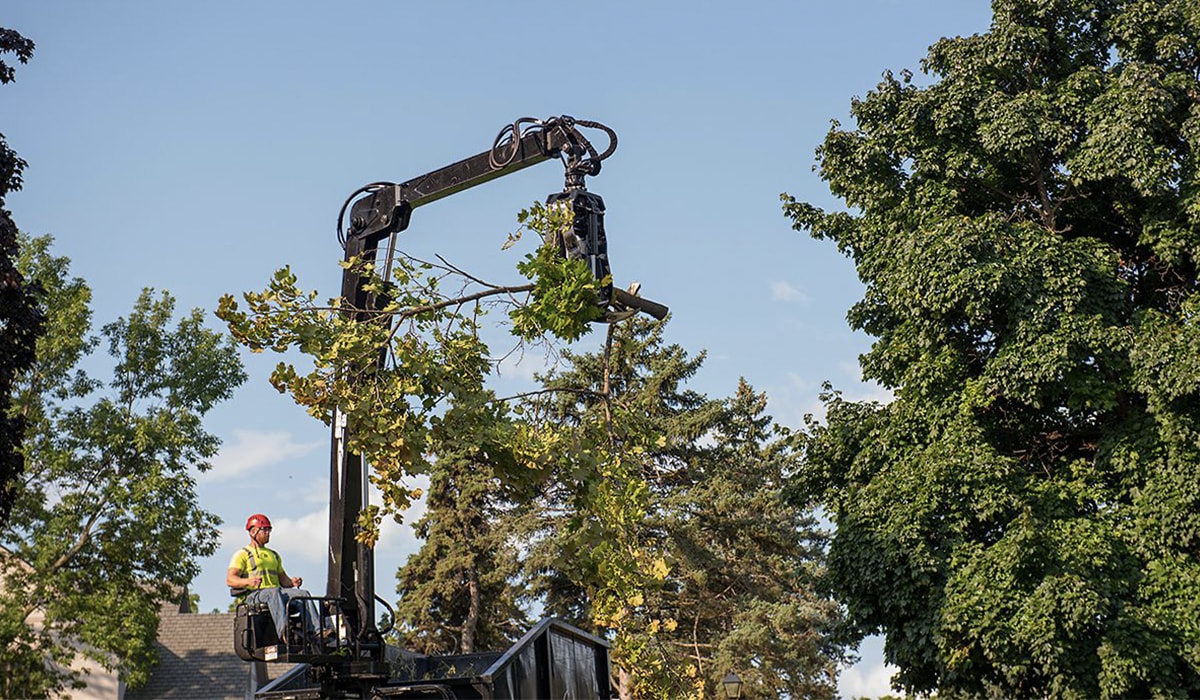
Choosing the right location for relocating or establishing trees is critical to their sustained health and success. Factors such as the condition of the soil, sunlight exposure, and water runoff must be thoroughly assessed. Certified arborists assess the site's characteristics, ensuring that the selected area provides adequate nutrients and stability for the specific tree type. Additionally, the closeness to current buildings and neighboring vegetation is crucial to prevent competition for resources and prevent possible harm. Arborists also consider the tree’s maximum height and width and root system, ensuring sufficient space for growth. Through a comprehensive site evaluation, these professionals assist customers reach educated conclusions that promote healthy, thriving trees, thereby improving the landscape’s beauty and environmental worth.
Proper Techniques for Installation
When the planting spot is meticulously reviewed and picked, the subsequent phase requires using optimal methods for planting trees. Meticulous digging of the hole is essential; it should be double the diameter of the root system and no deeper than the root system itself. The plant must be positioned in the opening so that the top of the root ball is level with the existing grade. Refill using the original dirt, making sure to eliminate air gaps, and soak the area well to encourage early root growth. Mulching around the base helps retain moisture and inhibit unwanted growth. Florence Arborist. When relocating established trees, care must be taken to reduce root trauma and transplant during dormancy for the greatest likelihood of thriving. Following these techniques promotes robust development and long life
Responding to Storm-Related Tree Hazards
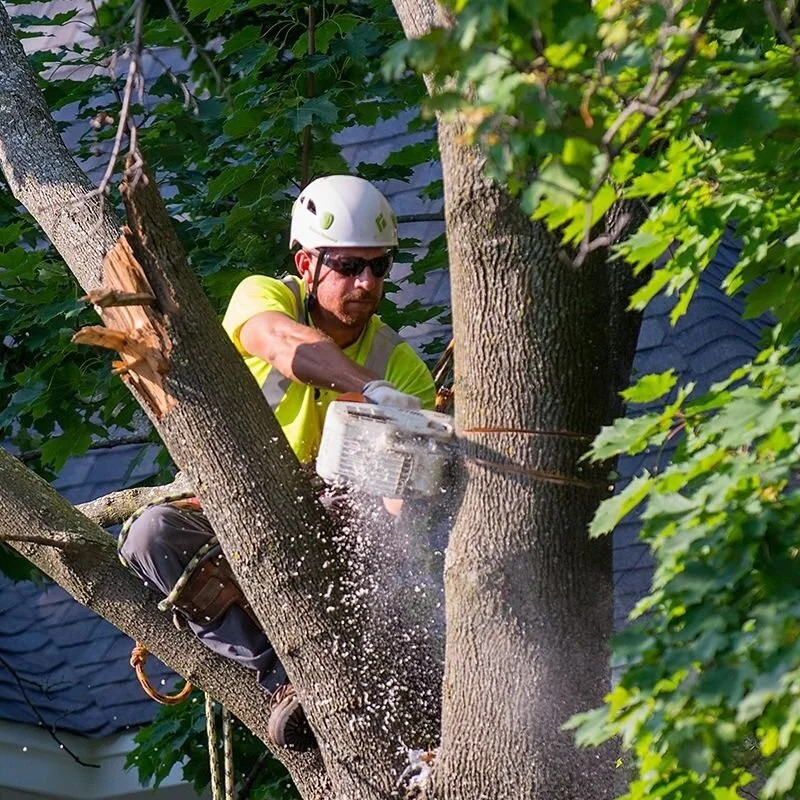
When major tempests hit, the consequences often leave trees in hazardous situations, creating threats to buildings and people. Trained arborists are essential in emergency response, inspecting weather-damaged trees to check how safe and healthy they are. Their knowledge enables them to determine which trees are recoverable and which present immediate dangers that must be removed.
Armed with the right gear, tree experts are able to securely trim fractured limbs and haul away refuse, reducing additional harm to nearby locations. Arborists also offer helpful guidance on precautionary steps, such as picking durable tree varieties for upcoming installations.
In addition to immediate response, tree specialists assist clients in grasping the potential long-term effects of storm damage, giving counsel on how to repair and revive. By acting swiftly and efficiently, these experts do more than just secure homes but also aid in the recovery of the local environment after severe storms.
Tree Nutrition and Soil Management
In the wake of storm damage, focus shifts to the condition of surviving trees, underscoring the importance of nutritional support and earth maintenance. A qualified tree expert assesses soil conditions and tree health to ascertain specific nutritional needs. Trees require key nourishment, like nitrogen, phosphorus, and potassium, to heal and grow strong following stressful periods.
Soil management is vital to how nutrients are accessed and root growth. get going Arborists may recommend ground improvements, including organic matter, to improve the ground's composition and microbial activity. Proper pH levels are also assessed, as they impact nutrient uptake.
Using mulching methods can improve moisture retention and prevent weed growth, fostering a perfect setting for the tree's recuperation. By developing a thorough nutritional plan and applying successful ground care techniques, arborists make certain trees regain strength, resilience, and overall health, vital for maintaining a balanced ecosystem in the wake of major environmental events.
Frequently Asked Questions
How Often Should I Have My Trees Inspected?
Trees should ideally be inspected once a year for maximum vitality. However, more regular inspections could be needed for younger trees, after severe weather events, or if any signs of distress or disease are observed.
What Qualifications Should I Look for in an Arborist?
In your search for a tree expert, one should prioritize certifications such as ISA (the ISA) accreditation, applicable work history, proper liability insurance, and a good standing within the community, confirming knowledge in arboriculture and safety practices.
Are There Specific Tools Arborists Use for Tree Care?
Arborists use various specialized tools for tree care, such as chainsaws, pruning shears, climbing gear, and stump grinders. Each tool serves a specific purpose, ensuring effective maintenance, pruning, and tree extraction while promoting overall health and safety.
How Do Weather Conditions Affect Tree Health?
The state of the weather strongly influences tree health; excessive rain can lead to root rot, while dry spells put strain on trees. Harsh weather conditions may cause damage to leaves and branches, which affects development, sturdiness, and overall vigor of the trees.
Should I handle my own tree maintenance, or Do I need to call in a specialist?
Although certain simple tree maintenance jobs can be performed by individuals, it's often wise to employ a professional - Florence Arborist. Trained individuals carry specialized equipment and knowledge, ensuring that trees receive the appropriate care required for the best possible health and growth